How to Attract the 9 Beneficial Predators You Want on Your Land
Integrated pest management methods encourage attracting and hosting beneficial insect predators that keep common pests at bay. Learn how to draw them in and keep them on the farm!
How to Attract the 9 Beneficial Predators You Want on Your Land
Integrated pest management methods encourage attracting and hosting beneficial insect predators that keep common pests at bay. Learn how to draw them in and keep them on the farm!
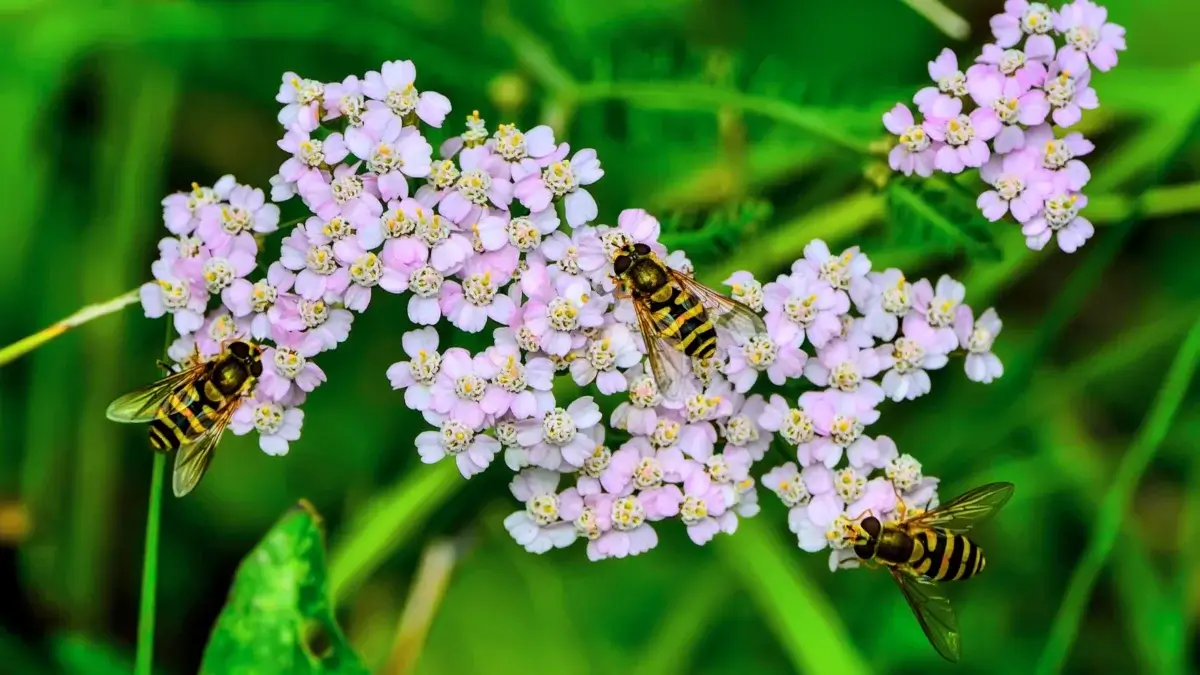
Integrated pest management methods encourage attracting and hosting beneficial insect predators that keep common pests at bay. Learn how to draw them in and keep them on the farm!
While spraying pesticides on your farm initially has the desired effect, it’s not the best long-term option. Instead, using integrated approaches that include cultural, mechanical, and biological controls is better, with insect predators as the primary beneficial force.
Many of these predators feed voraciously on pest larvae, stopping them from reproducing and keeping their numbers low for good. You can certainly purchase some of these and release them in your garden, but they’ll only stay for the buffet. They need plant hosts to call your farm home.
Thankfully, many native plants are perfect for some of the best beneficials. Native plant species may even grow along the borders of your farm naturally. In that case, it’s just a matter of fostering them and bringing them closer to your crops.
Here are 11 of the most amazing predatory insects, and the plants that host them. Plant some of these species (or better yet, a diversity of species) to attract these beneficial predators. All of these helper bugs will flourish with the right plantings, especially if you reduce or eliminate your use of pesticides.
Hoverflies
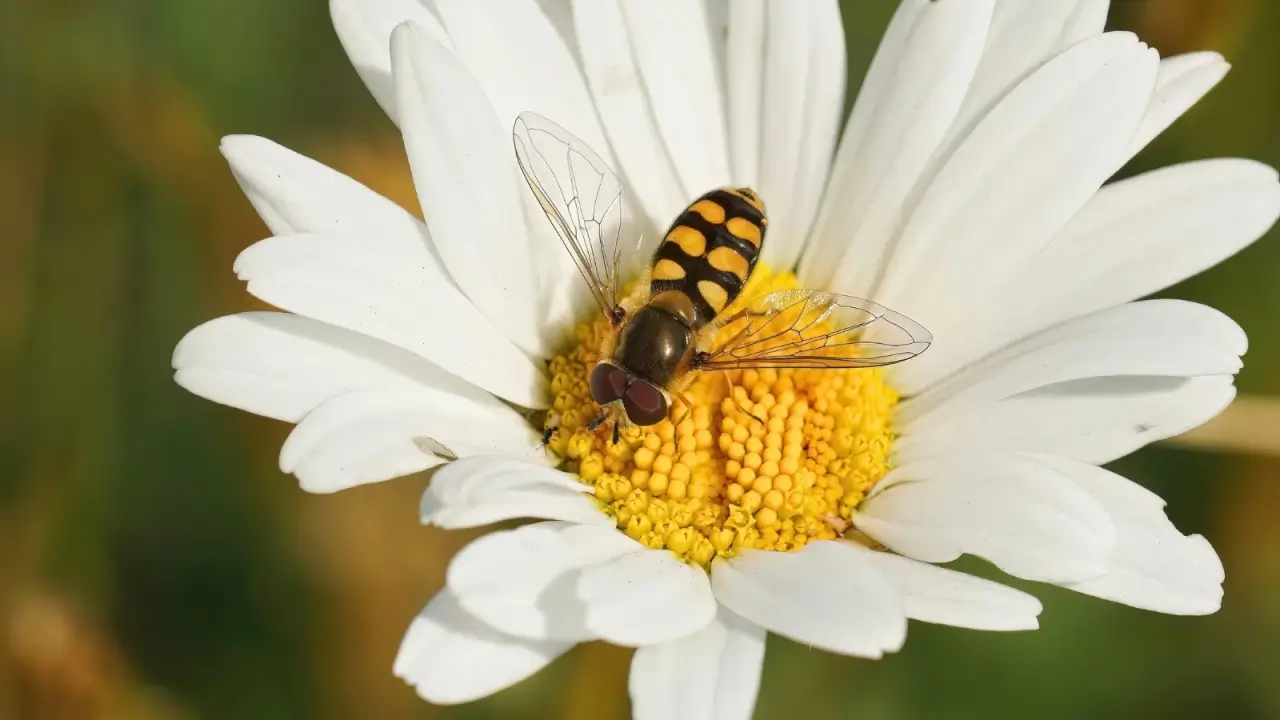
These flies are all members of the family Syrphidae. They may look like wasps or bees, but they are flies, and they feed on aphids, thrips, mealybugs, leafhoppers, and various larvae of slower-moving insects. Depending on the species, they look different, but many have yellow and black stripes.
They feed on nectar and pollen as well as the pests mentioned above. Adults lay eggs among masses of congregating pests and when they hatch the larvae get to work. Some pupate in the area where they’ve been feeding, while others head to the soil to become adults.
The key to attracting these beneficial predators is to plant nectar hosts that bring in the adults. When they realize your farm is a good place to feed on nectar and pollen, they lay their eggs. Some of the best hosts for them are carrot family plants, like Queen Anne’s Lace, dill, fennel, and coriander. Alyssum is another good one.
The most common native plant they love to feed on is yarrow. You will find many of the bugs on this list adore this plant, and due to its widespread range, this is perhaps one of the best plant allies for your integrated biological controls.
Tachinid Flies
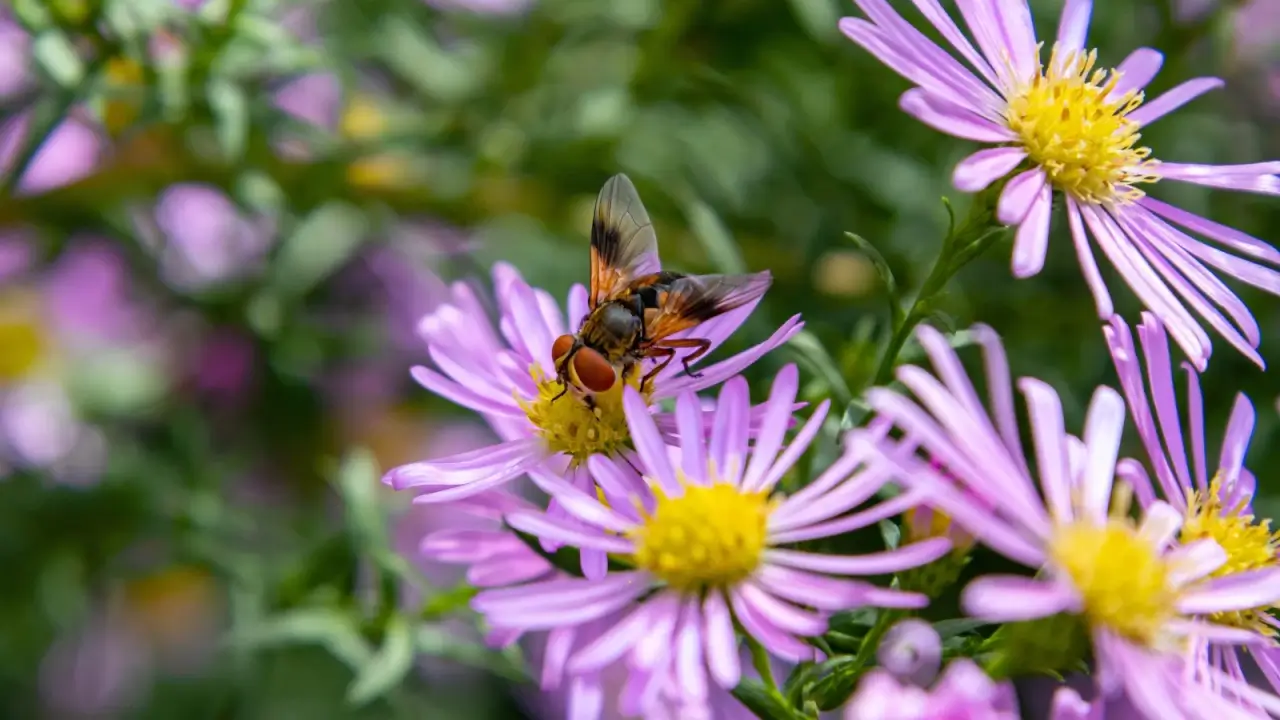
Some predatory insects are parasites, and use pests to host for their young. The flies in the Tachinidae family are one parasite it’s good to have around. They’re all tiny, under one inch, and most are gray or black. Some are bee or wasp mimics, similar to hoverflies. All of them have a bristly and shield-like appearance.
Sometimes adults lay eggs on pest-infested plants, and the eggs are eaten and taken in by the host. Other species deposit their eggs on or inside the body of pest larvae. The larvae of tachinid adults then parasitize the pest larvae and kill them, sometimes creating little pest mummies in the process.
These flies control various beetles, earwigs, grasshoppers, true bugs, and sawflies. They are some of the most important beneficial predators for your management arsenal. Attract them with native asters and rudbeckia, as well as carrot and dill flowers. The composite flowers of yarrow attract them as well.
Trichogramma Wasps
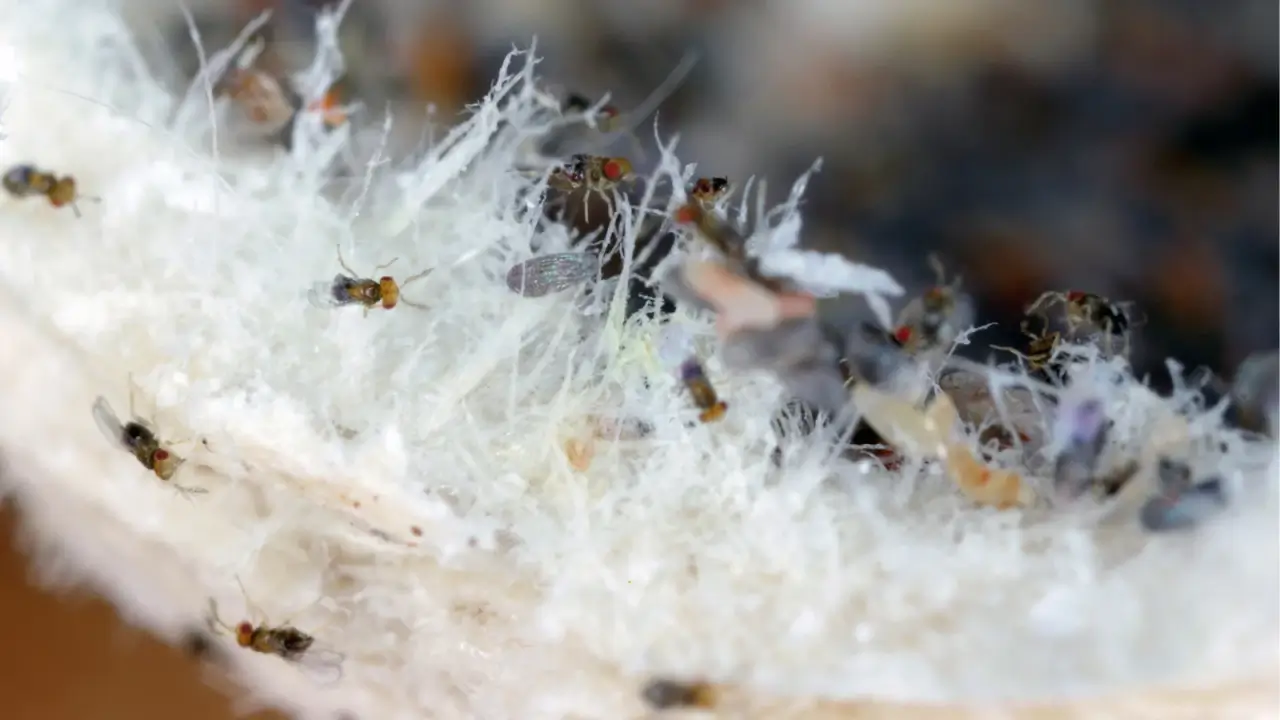
Tomato farmers have probably seen a hornworm with long rows of eggs sticking out of their backs. This is a result of the parasitic wasp from the genus Trichogramma. These wasps are so tiny, you may not see them moving around your tomato patch. But they’re there!
Topping out at just a few millimeters long, adult wasps are yellowish or brown with red eyes. Unlike tachinid flies, Trichogramma wasps parasitize the eggs of various caterpillars, depositing their eggs within the pest’s egg. Sometimes this prevents the caterpillar from hatching, and other times the larvae develop alongside the caterpillar, killing it in the process.
If you have a healthy crop of cabbage, corn, and tomatoes, it’s likely these beneficial predators are around, waiting to knock out some of the most damaging pests. These include corn earworm, cabbage moths, and tomato hornworms. Codling moths, pinworms, and other worms beware.
Once again, yarrow brings the adults in and gives them a nectar source to feed on while they reproduce. Composite flowers, like asters, daisies, and chamomile are great attractors too. Mint family plants, specifically Pycanthemum and Monarda species are great native options. Plant Eurasian species in containers to prevent their spread and ultimate takeover.
Predatory Mites
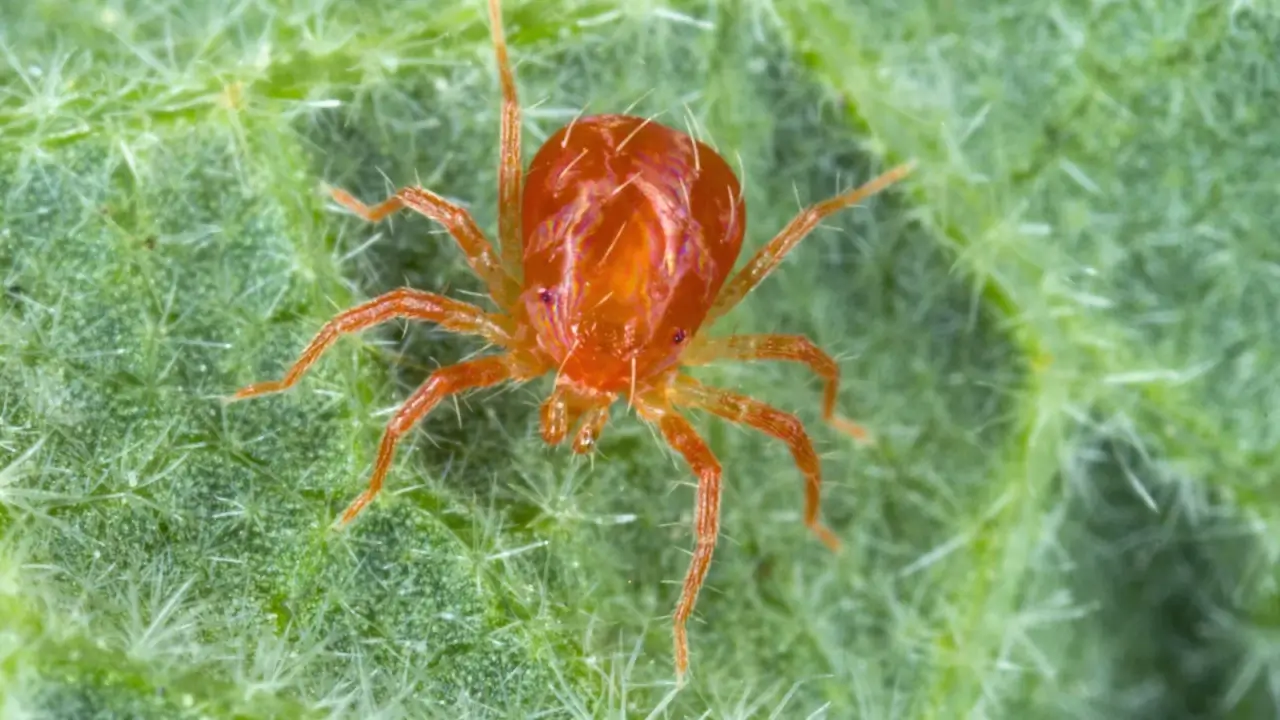
If you farm in a dusty and dry region, you’ve probably dealt with a host of different mites. Spider mites and broad mites are common pests in veggie patches and in orchards. Varoa mites and bird mites are two that bee and chicken farmers need to be aware of. And every farmer has had their share of chigger bites.
Predatory mites feed on all of these guys. They’re way too small to be seen with the naked eye (though if you look really hard you might see them), and they are probably already doing their thing on your farm. Each mite only feeds on a couple of pests per day, but they lay so many eggs they can knock out huge swaths of pests quickly.
A number of cultivated plants attract varying species of predatory mite. However, they also appreciate plants that have hairs and pits on their leaf undersides. Many natives fall into this category. This gives them a place to shelter from their predators. They are also attracted to a host of cultivated plants due to their tendency to have pestilent mites.
Predatory Thrips
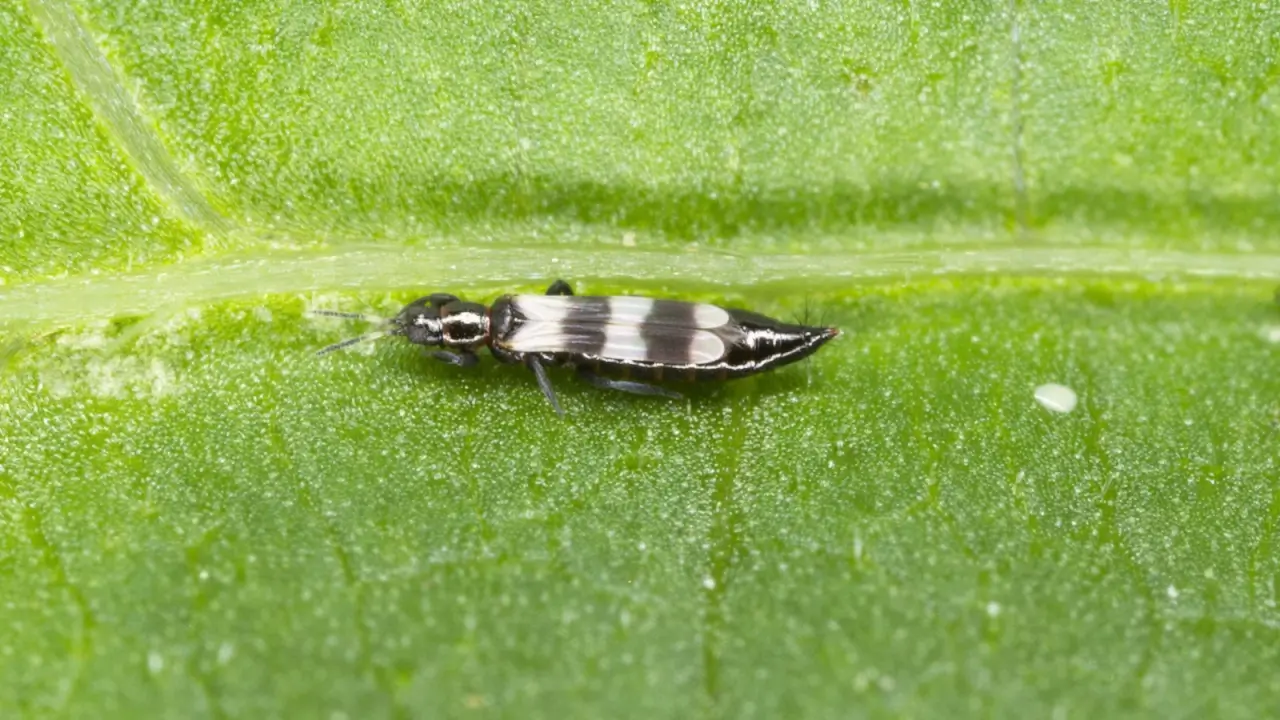
You have probably heard of thrips, and their tendency to silverize the leaves of various plants they feed on. Did you know there are predatory types? These thrips feed on small caterpillars, other thrips, aphids, and scale insects. They come from two types: sixspotted thrips (Scolothrips sexmaculatus) and black hunter thrips (Aeolothrips spp.).
Both of these thrips are less than 1/15th of an inch long. They either have a dark body, or in the case of the sixspotted thrip, they have a light yellow body and three brown spots on each of their front wings. They are voracious beneficial predators that are particularly useful in orchards.
Bring them in with Gerber daisies, feverfew, marigolds, and sunflowers. Similarly, native asters are perfect attractants. Bidens species are a great option as well.
Beneficial Nematodes
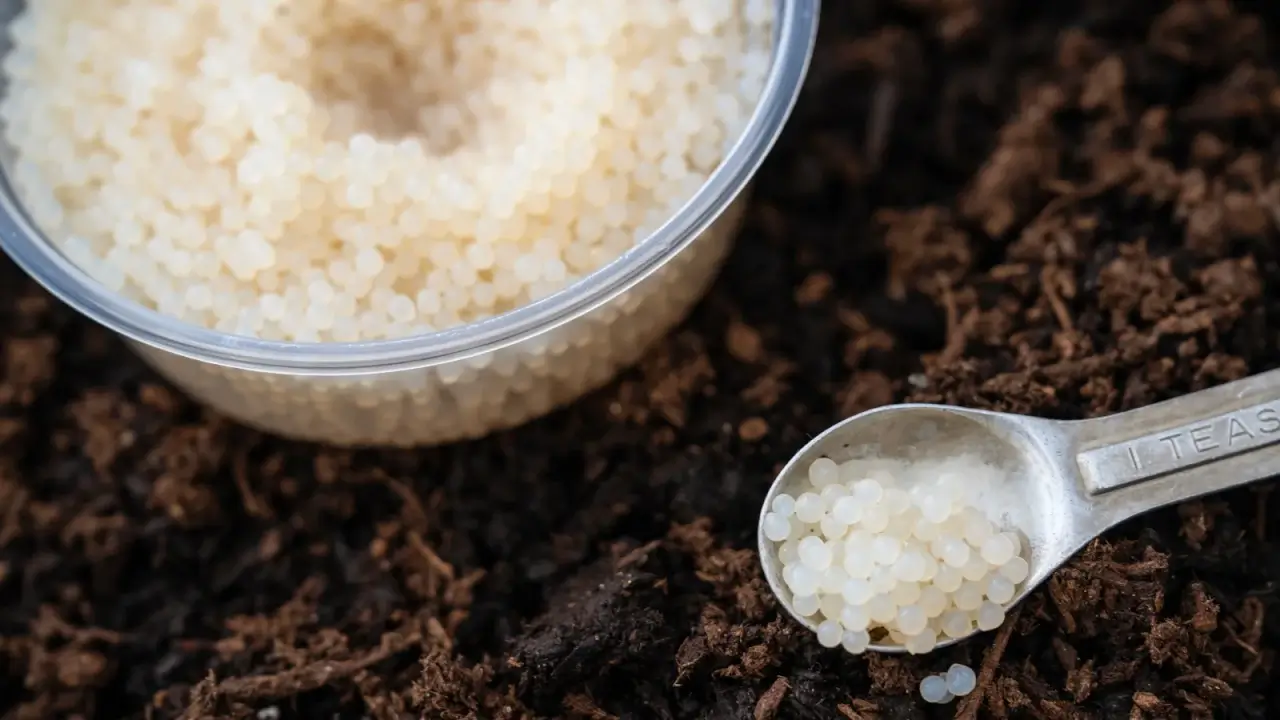
In areas where root-knot nematodes are a problem, a good treatment is beneficial nematodes. Applying these to soil in temperate seasons a few weeks apart is an effective control of certain beetle larvae as well. But what if there was a way to bring them into your garden?
As members of the roundworm group, these nematodes move around under the soil surface feeding on whatever they come into contact with. They do this either by waiting for the pest to arrive or hunting it down. The most common species are Steinernema carpocapsae and Heterorhabditis bacteriophora. There are other species available to farmers via the market as well.
In areas where soils are healthy and full of microbial life, good nematodes are present. Unlike the other beneficial predators here, you don’t need to plant to attract them, but you do need healthy soils. Using compost on the farm instead of synthetic fertilizers is one good way to bring them in. Planting cover crops to enrich soil is another way. Mulching to protect your soil through extremes also helps.
Green Lacewings
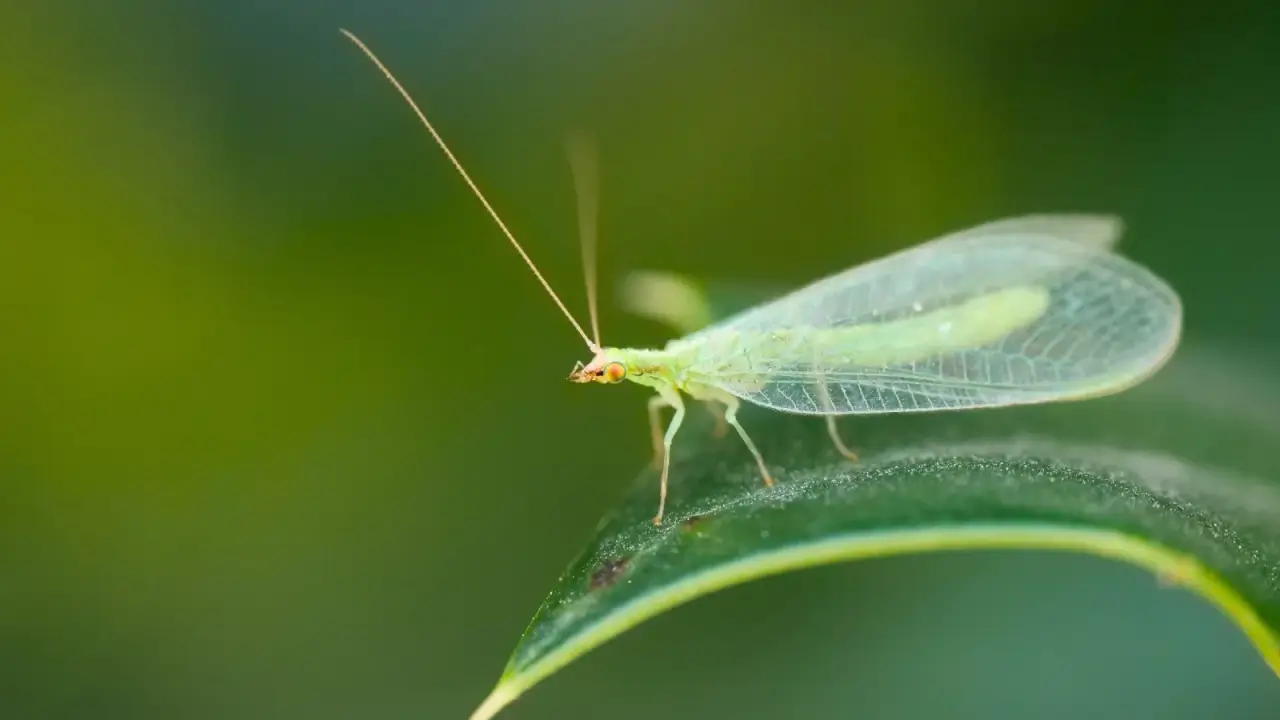
The larvae of green lacewings simply cannot be satiated! They must feed on soft-bodied pests incessantly – until it’s time to become adults, that is. While ladybeetles are the number one aphid predators, these guys are likely number two. They gobble up colonies with ease.
If you’ve seen little masses of eggs that look like they’re suspended on silken wires, you’ve seen lacewing eggs. The larvae look like little alligators with mandibles. Adults have a thin green body and transparent wings. There are numerous species, and these differ from the brown lacewing, which is a beneficial insect but not as useful for pest control.
We’re not trying to be redundant, but yarrow is one of the best hosts for this pest predator. Cultivated plants like dill, fennel, and cosmos are also good hosts. Asters, sunflowers, and coreopsis are great natives and attractants. Verbenas are an excellent option.
Pirate Bugs
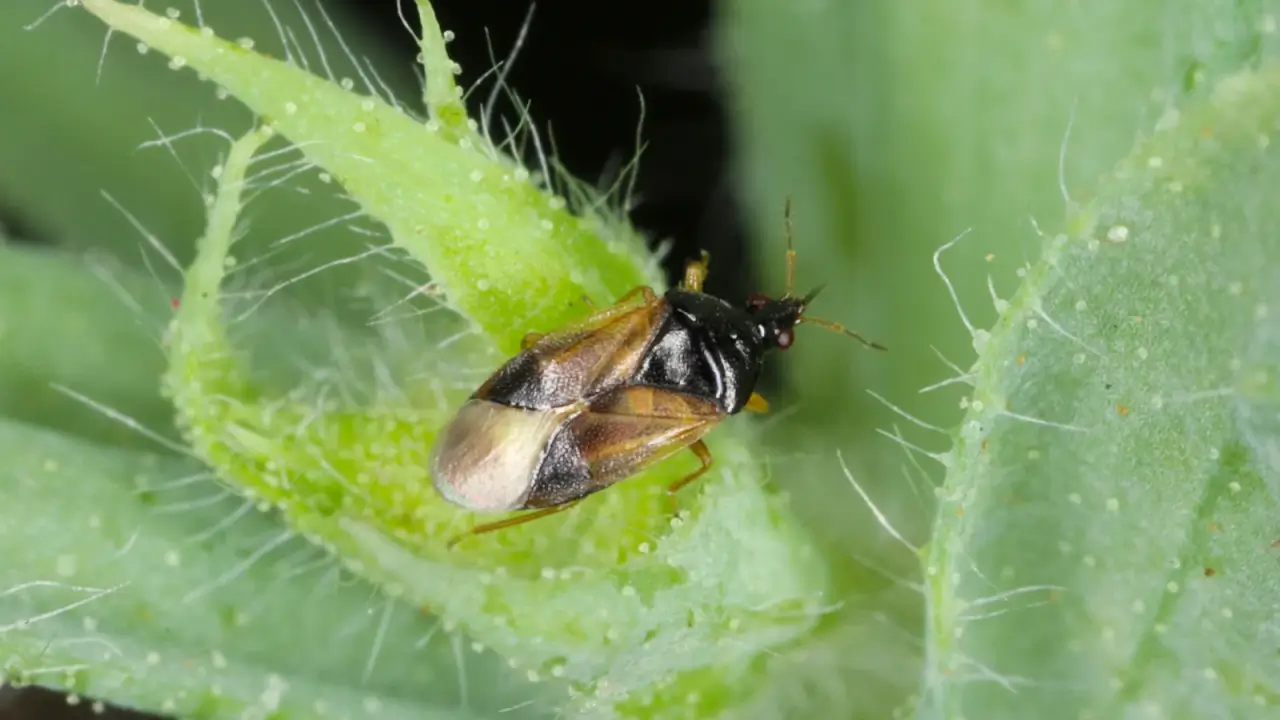
If you have aphids, psyllids, whiteflies, thrips, or spider mites, minute pirate bugs are on your side. These bugs in the Orius species consume tons of these pests, and prey on eggs of other pests while they’re taking out the nymphs and adults. They’re ovular, and roughly ½ to ⅛ of an inch, with wings that cross making an X shape.
As generalists, they feed on the pests mentioned above, but they consume almost any pest. They love to nest in leaf litter and bark, and often emerge first among other insects in spring. If you want to attract these guys, you can keep some areas of the farm natural. Have a few shade trees around, and you’re set.
Plants that attract these beneficial predators include vetch, alfalfa, corn, and crimson clover. Natives like elderberry, willow, and goldenrod feed adults as they sip on nectar until they get to the next pest. Some pirate bugs bite people, but they don’t cause more harm than a mosquito bite.
Ladybugs
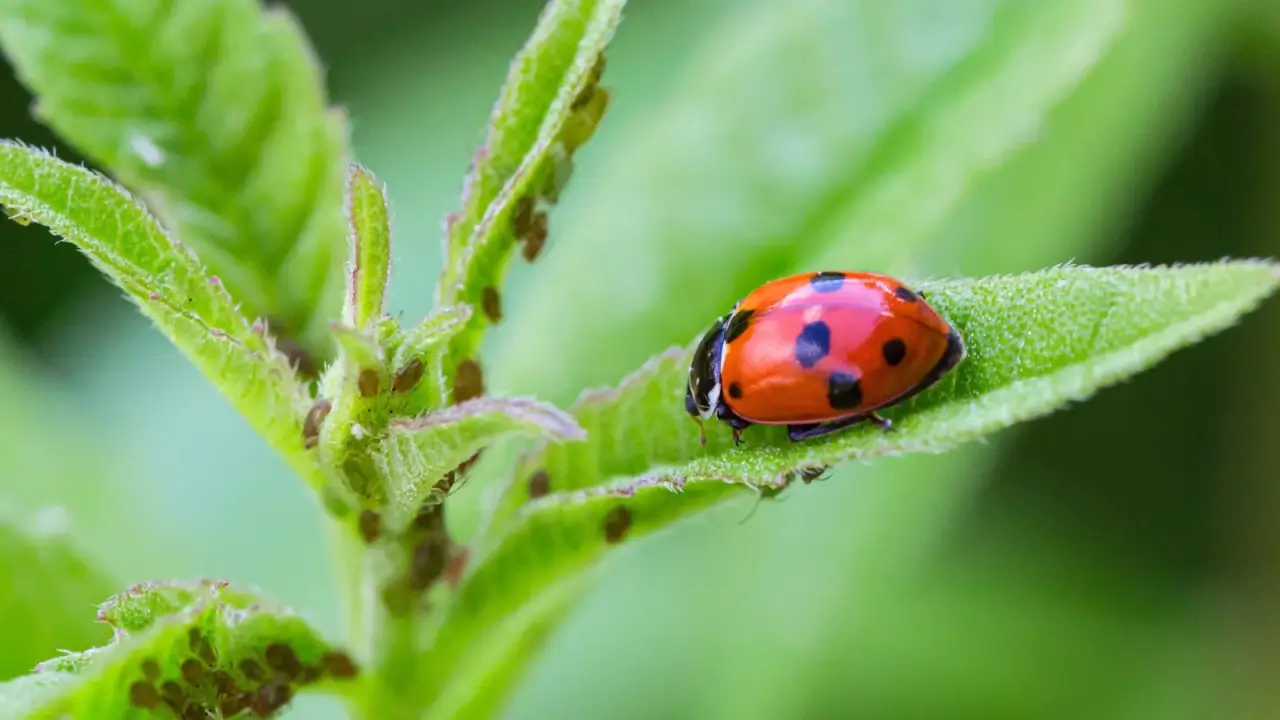
Pro beneficial predator number one is everyone’s favorite: ladybird beetles or ladybugs! There are so many species of either type present across North America, and they love to feast on tons of different pests in their larval, nymph, and adult stages. Mites, aphids, scale insects, spider mites, and mealybugs are in danger when ladybugs are on the case.
There is a difference, however, between ladybugs native to the continent, and the Asian lady beetle, which is an invasive species. The latter of these tend to infest homes and swarm, causing allergies in some people, and generally damaging structures when numbers are too high. They have a distinguishing M shape on the base of their heads. This is how you can tell them apart from native species.
The larvae of the good guys kind of look like green lacewing larvae, with an alligator-shaped body and black, yellow, orange, or blue coloring depending on the species. Adults have the characteristic red body and black head.
Ladybugs love milkweed, which is a great boon to your farm, as it brings in and hosts monarchs, too. Look for a species native to your region for the best results. Coreopsis also supports ladybugs, and so do native coneflower species like Echinacea and Rudbeckia. In companion planting, sweet alyssum is a wonderful attractant, as well as dill and marigold.
Integrated Pest Management on the Farm: An Overview
The most effective modes of controlling pests on a farm do not involve pesticides. In fact, the best control is prevention. Integrated pest management is an important way to keep pest pressure down and protect the land where your farm is situated.

