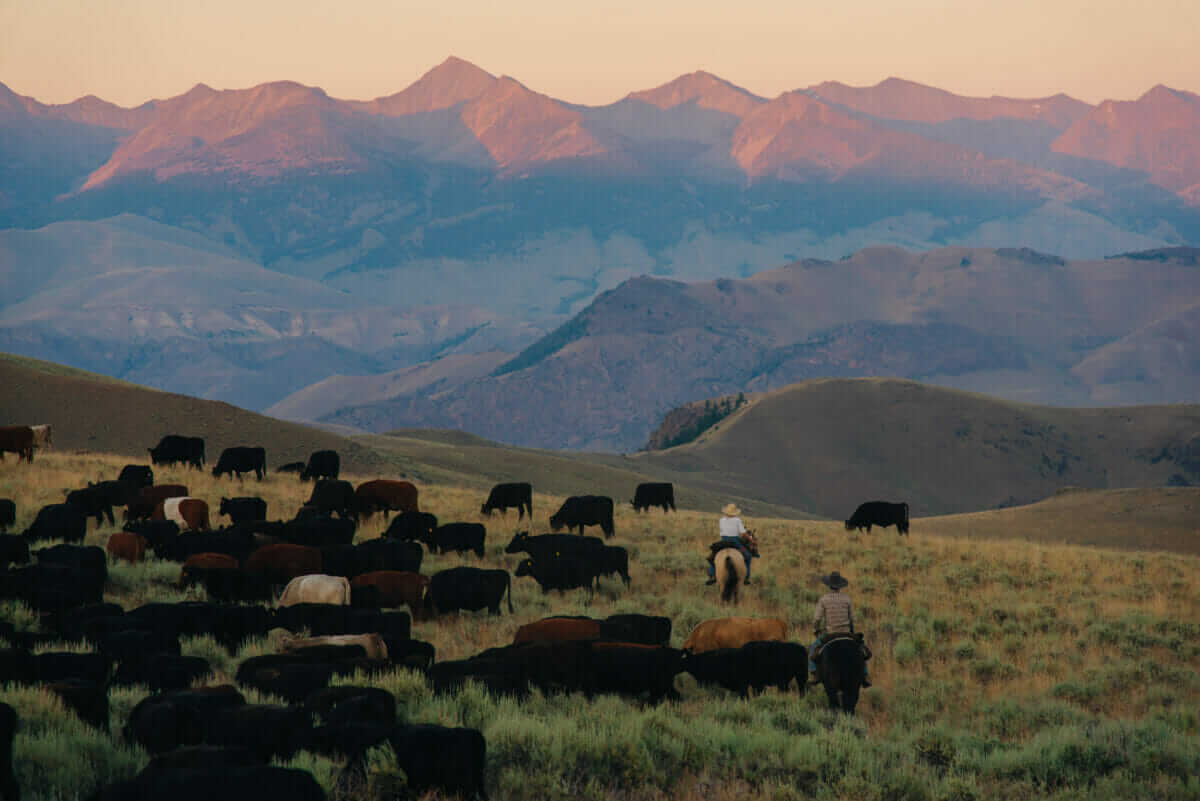
As summer’s end nears, farmers get ready for winter. Some prepare to shut down the farm, and some plant fall crops. Fall crops provide revenue through winter, giving farms a profitable season even when most plants are dormant.
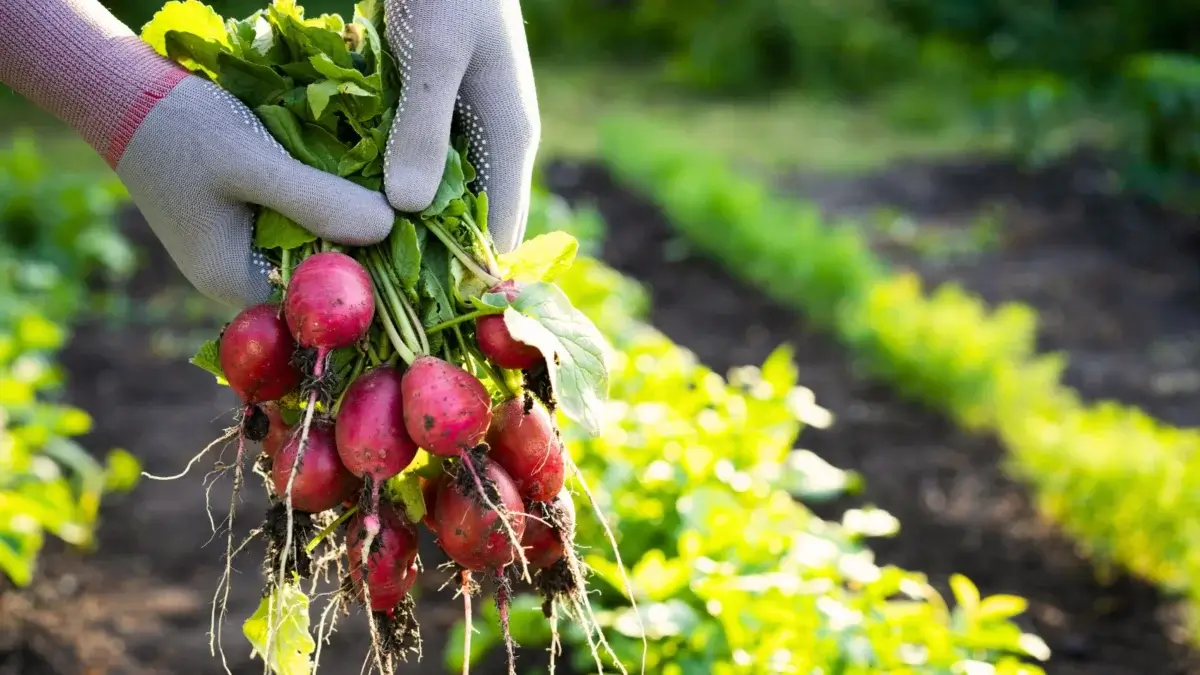


As summer’s end nears, farmers get ready for winter. Some prepare to shut down the farm, and some plant fall crops. Fall crops provide revenue through winter, giving farms a profitable season even when most plants are dormant.
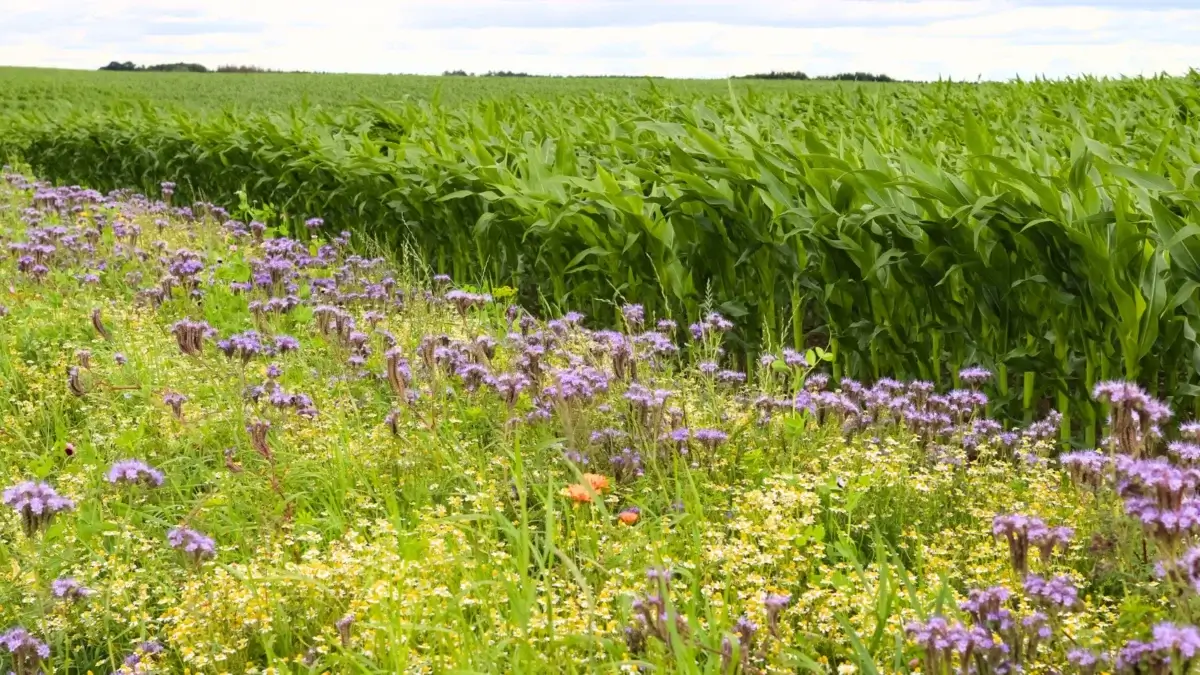
How to Fight Soil Nutrient Loss with Prairie Strips
As farmland degradation accelerates globally, prairie strips are emerging as a critical conservation solution. These strategic rows of native prairie plants, installed between crop fields, can reduce soil nutrient loss while restoring biodiversity to agricultural landscapes.
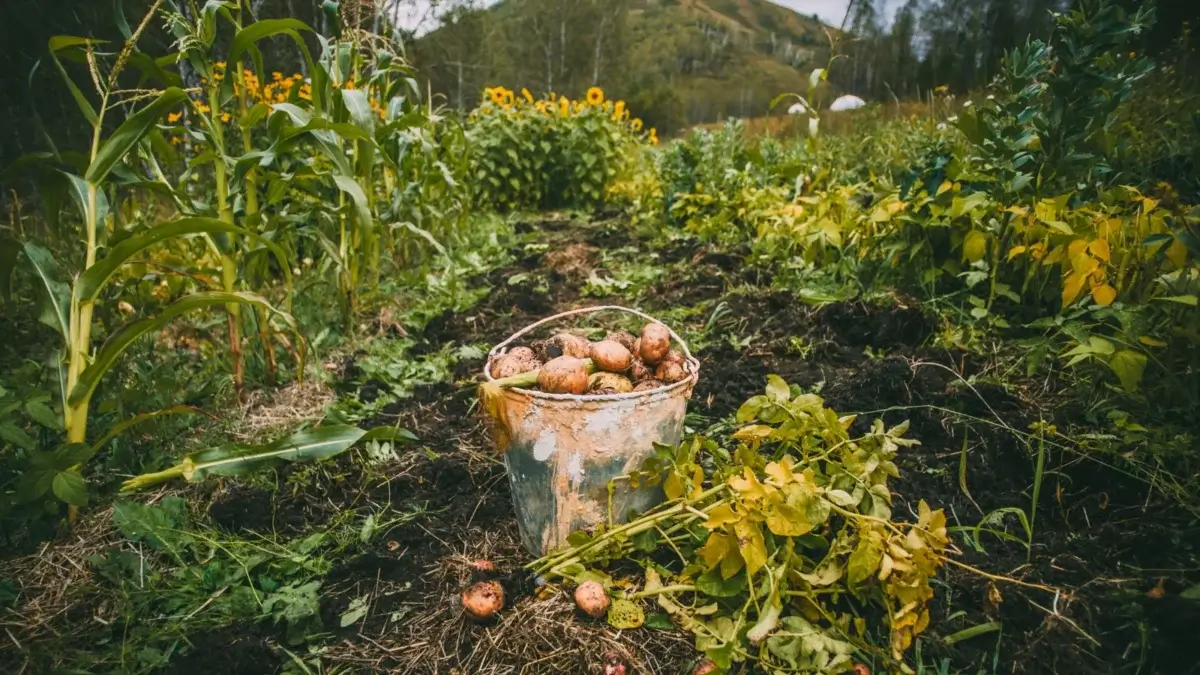
Fight Potato Viruses with Wildflowers: 9 Flowers to Try
Farmers who have encountered potato viruses know there is no viable treatment for them. But preventative measures go beyond ensuring seed quality is high. Here are 9 wildflowers that attract predators of the aphid vector species.
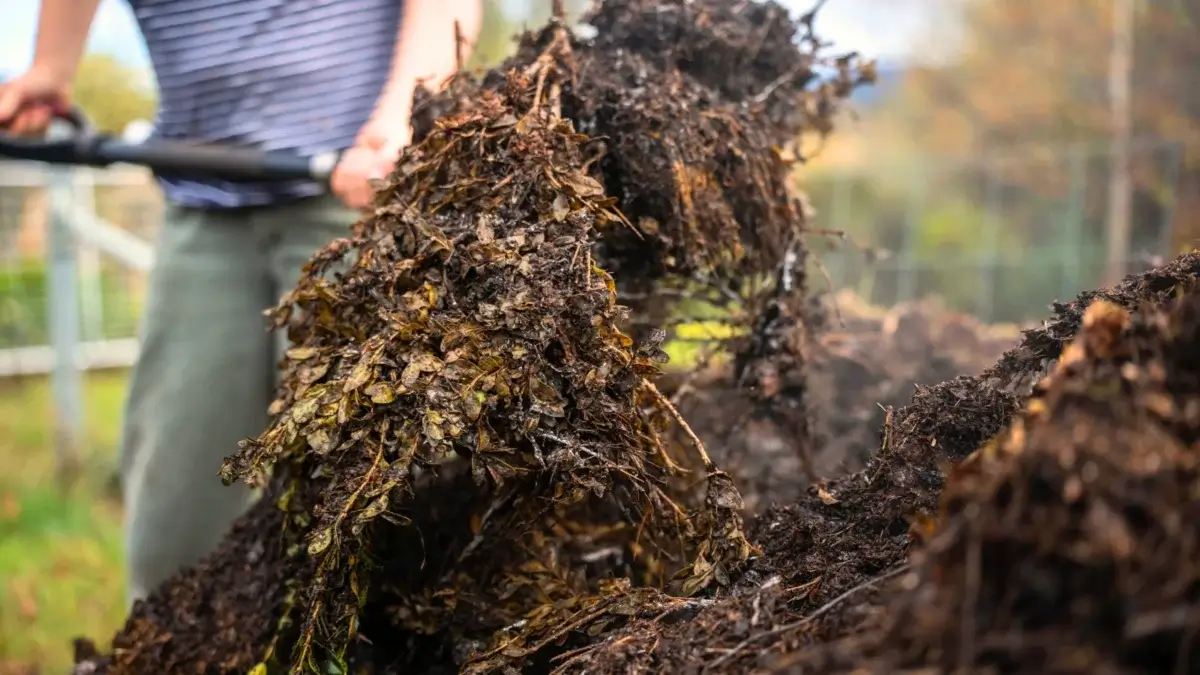
How to Speed Up Your Compost: 5 Recommendations
Getting a healthy amount of compost to spread on your crops ahead of the season gives them the boost they need to really take off. Learn these five ways to speed up the composting process, and you’ll have nutrient-rich humus in no time.
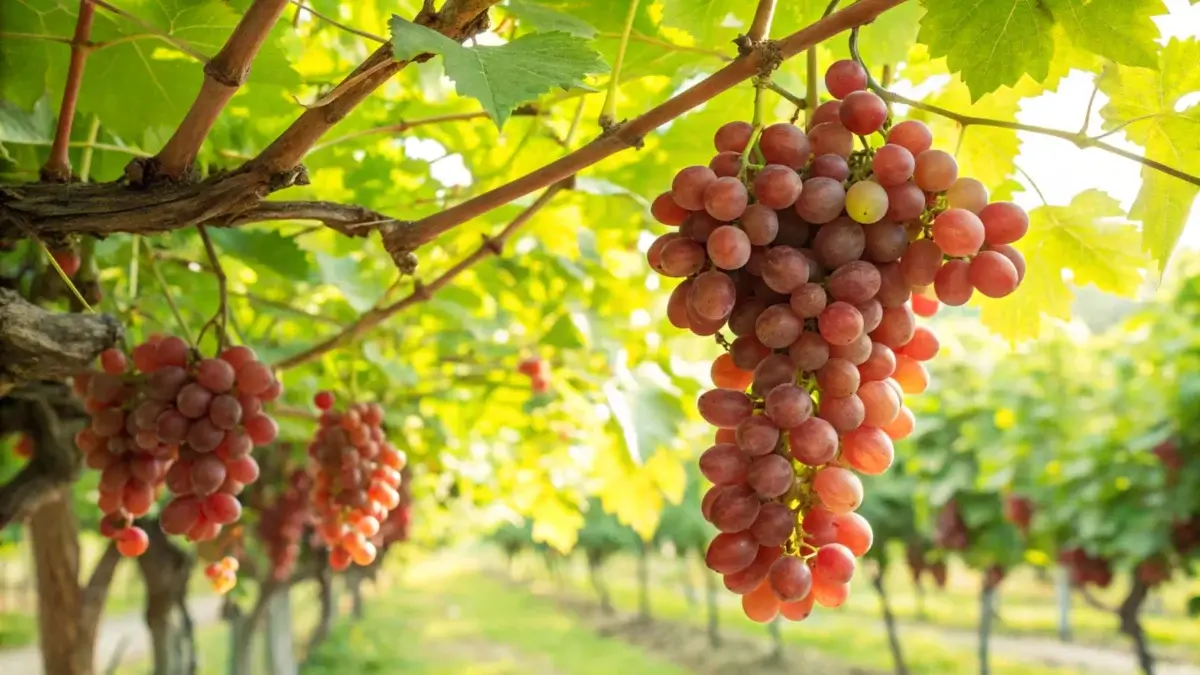
The 7 Best Crops for Dry Farming
Dry farming is a viable strategy that helps farmers adapt to their local climate. It bolsters farms located in dry areas, allowing them to produce even though water is scarce. Take note of these 7 crops as you develop your own dry farm.
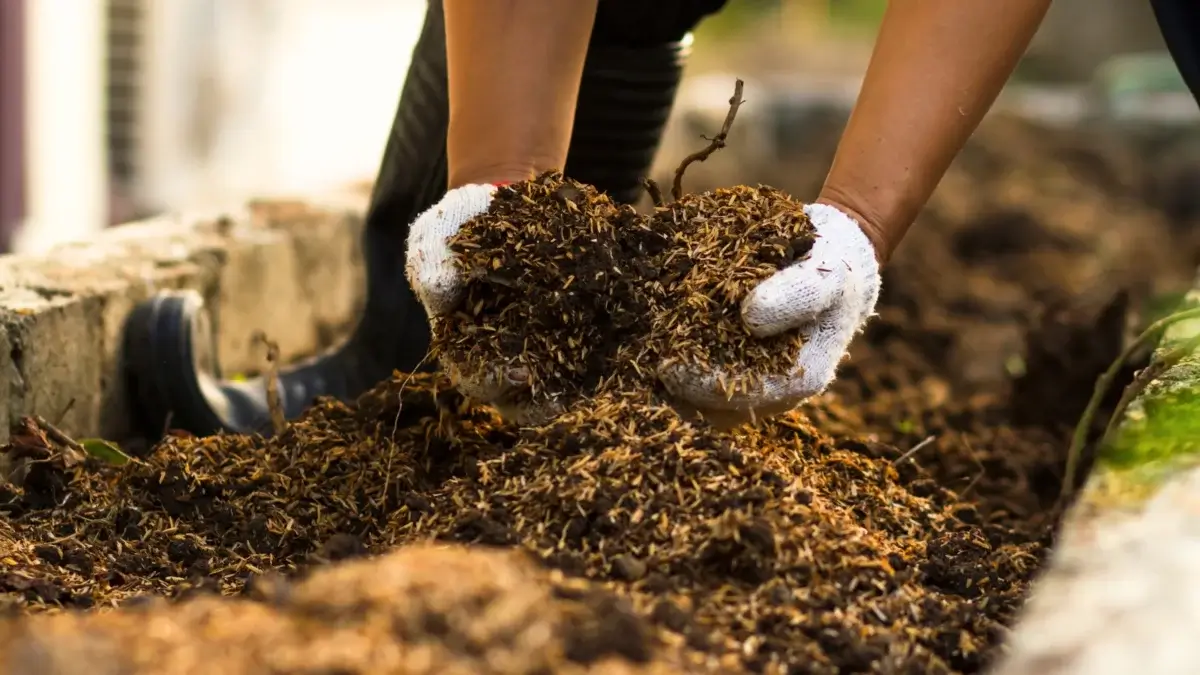
Nutrient Cycling on the Farm: 5 Practices to Implement Now
Achieving a closed system on your farm is easy with a few key practices. Shifting focus toward nutrient cycling can turn a labor-intensive farm into a more passive, yet fruitful, endeavor. Here, gardener and Master Naturalist Sarah Jay shares how to implement nutrient cycling on your farm to improve your soil and yields.
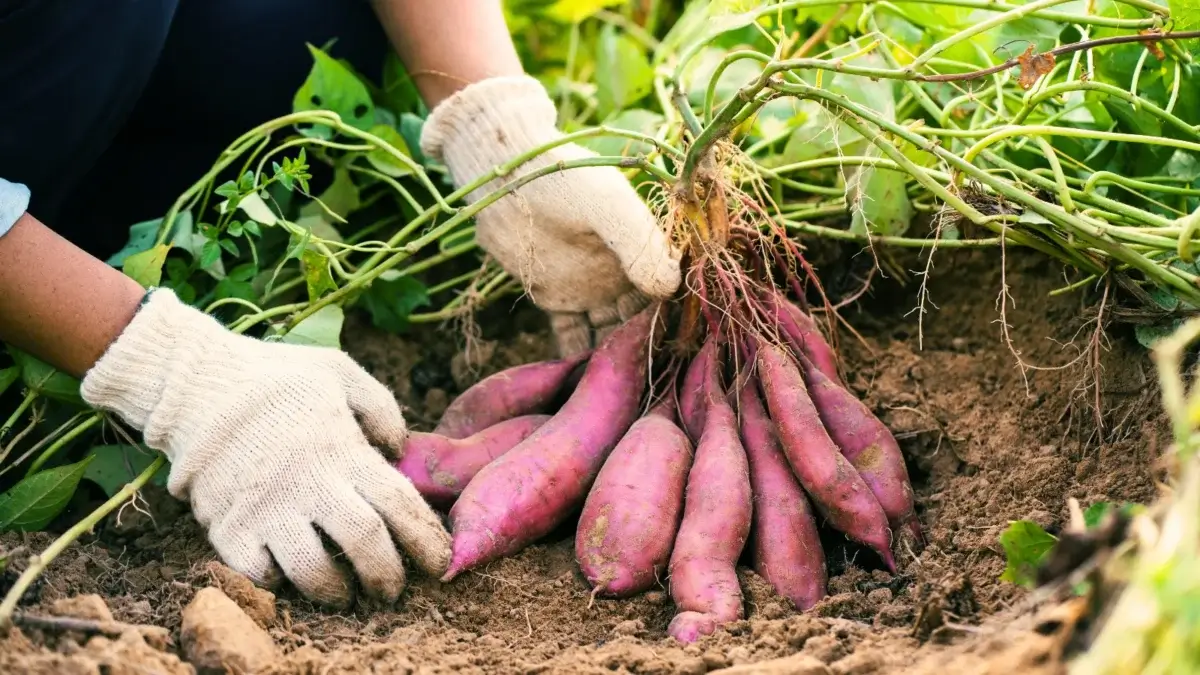
The Sweet Superfood You Should Be Growing
Sweet potatoes are nutritious, prolific, and handle the harshest conditions. Farmers benefit greatly from adding this resilient crop to their land, including the revenue that comes from a healthy market share.
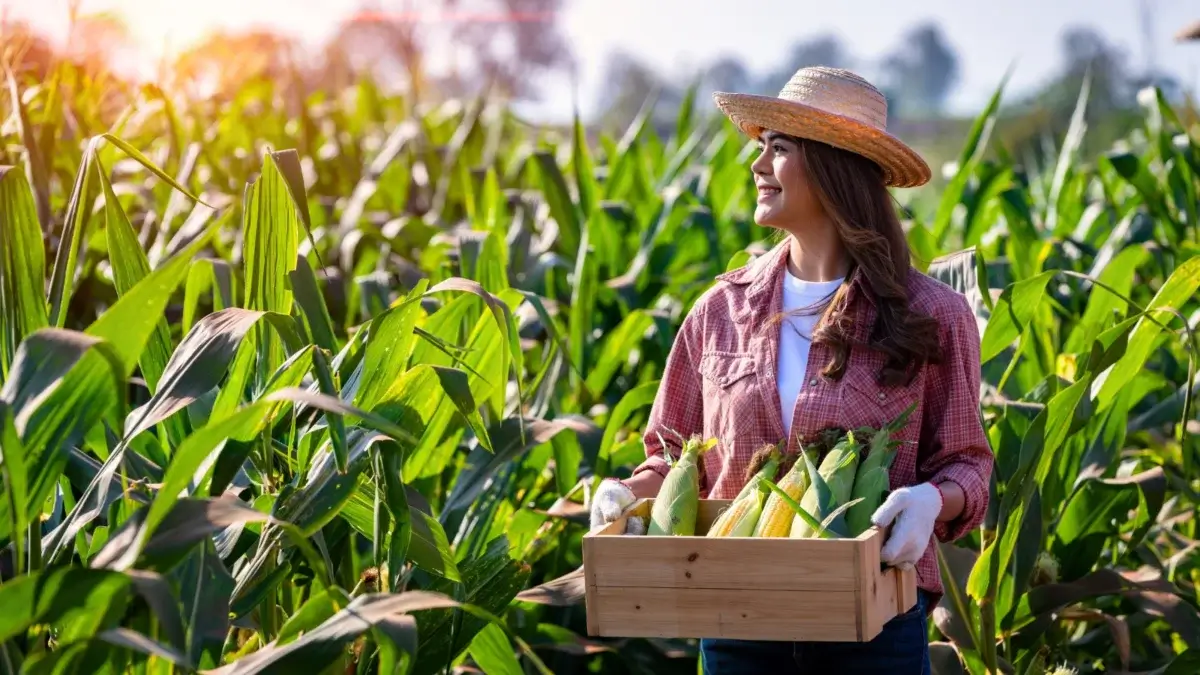
5 Benefits of Growing Shorter Corn
Short corn varieties are currently in development, changing the game for farmers. These smaller-stature plants offer several benefits, promoting higher resilience and yields, even on a small-scale.
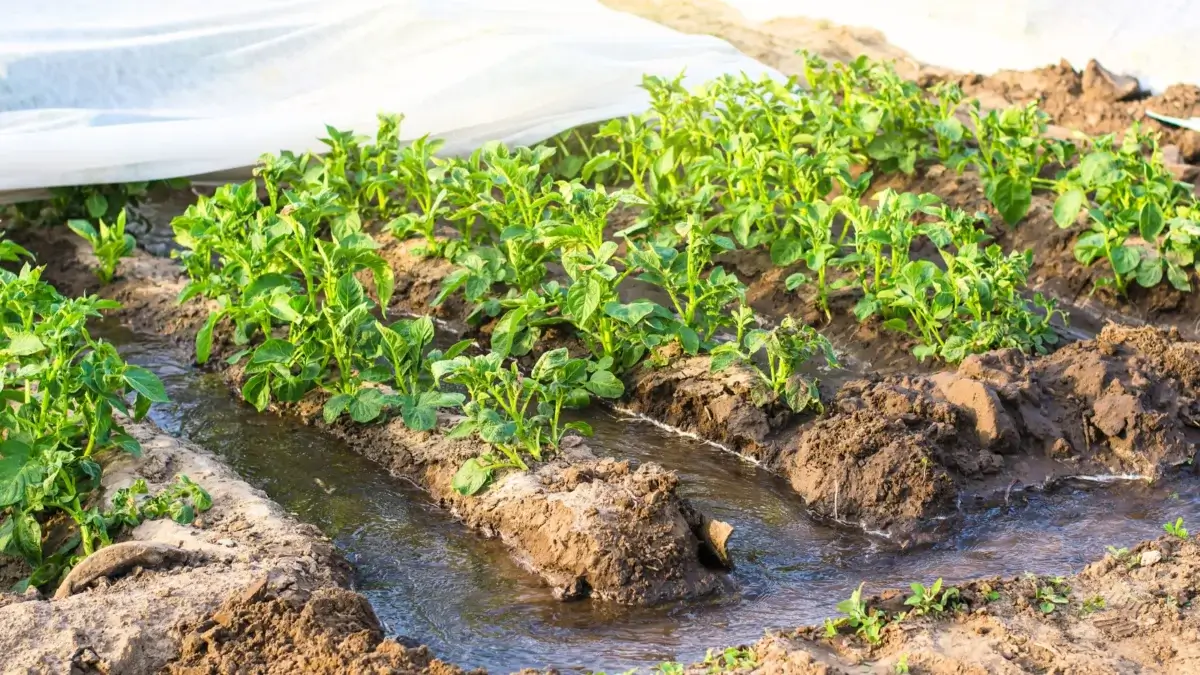
Protecting Crops from Heat Stress: 5 Pro Strategies
Heat is an inevitable and increasing concern for farms across the world. The best way to deal with the stresses of hot weather is to adapt and find solutions you can use, year after year. Use these 5 strategies to keep your yields high and stave off the heat.