How to Beat the Weeds in a No-Till Landscape
Limiting or ceasing tillage offers improvements to soil health, but it can lead to problems with weeds. Here are a few ways you can beat weeds in a no-till environment.
How to Beat the Weeds in a No-Till Landscape
Limiting or ceasing tillage offers improvements to soil health, but it can lead to problems with weeds. Here are a few ways you can beat weeds in a no-till environment.
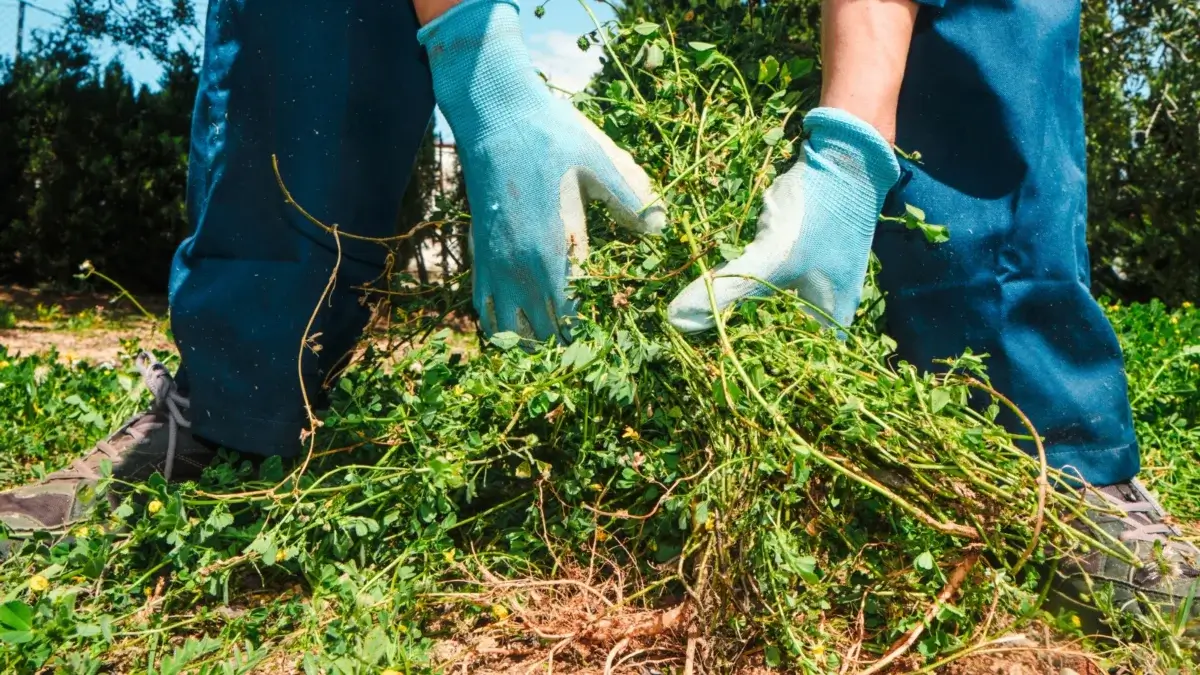
Reducing your tillage or switching to an entirely no-till system can offer numerous environmental and economic benefits. Leaving the soil undisturbed reduces erosion and runoff, while also saving costs associated with labor and fuel required for tillage events. However, no-till also presents challenges, including increased weed pressure and nutrient stratification.
If you’re practicing no-till or thinking about reducing your tillage, you may be wondering how to beat weeds in a no-till landscape. How do you manage these unwanted plants when you can’t rely on a disc or tiller to churn them into the ground? Fortunately, you can practice a few strategies to keep weeds at bay while minimizing your tillage.
Before we dive into weed management, it’s important to remember that you should approach tillage with your specific growing context and landscape in mind. Rather than being dogmatic about never tilling or grabbing the rototiller each spring, pay attention to your soil and how certain tillage events (or a lack thereof) impact both soil and plant health.
Know Your Weeds
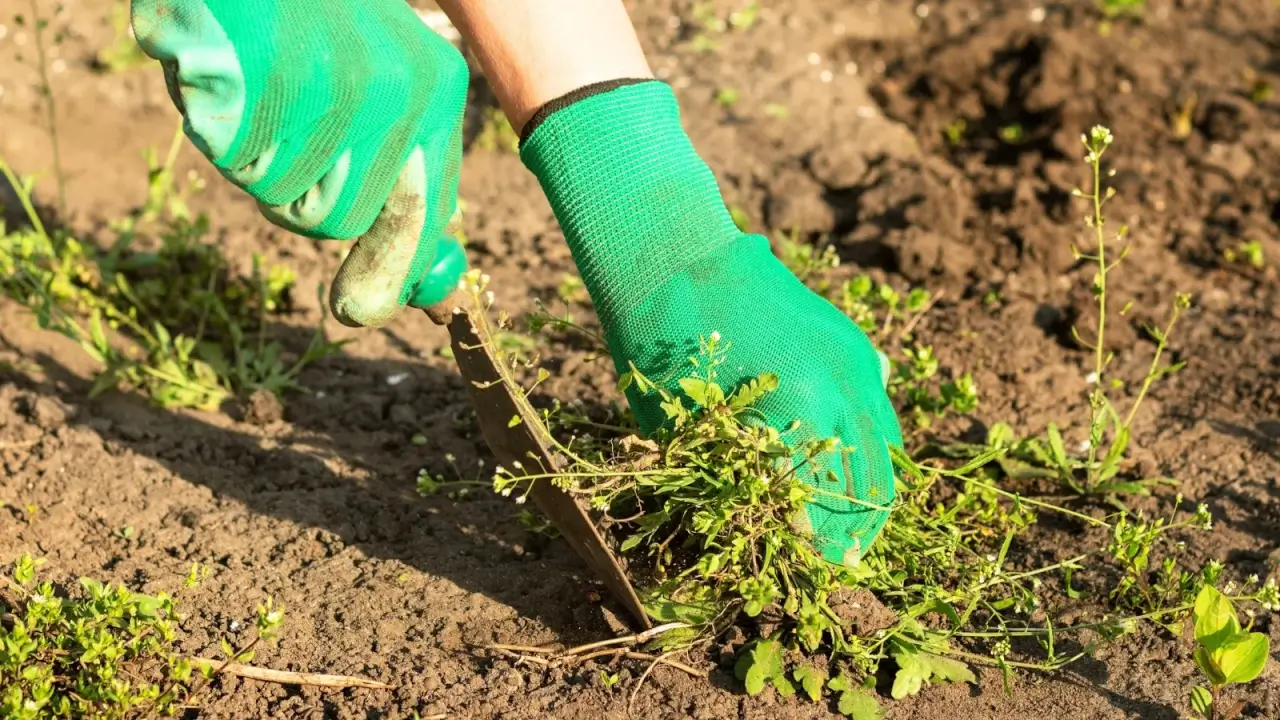
Any plant that’s out of its intended growing space can be considered a weed—a rye cover crop that accidentally went to seed in your field, the Canadian thistle that’s been on the property for decades, and the fast-growing pigweed that germinates each spring.
While all of these plants are unwanted, they have varied growth habits and characteristics. Therefore, methods that work well to control one type of weed may not effectively control others. That’s why correctly identifying weeds is the first step in controlling them.
Perennial Weeds
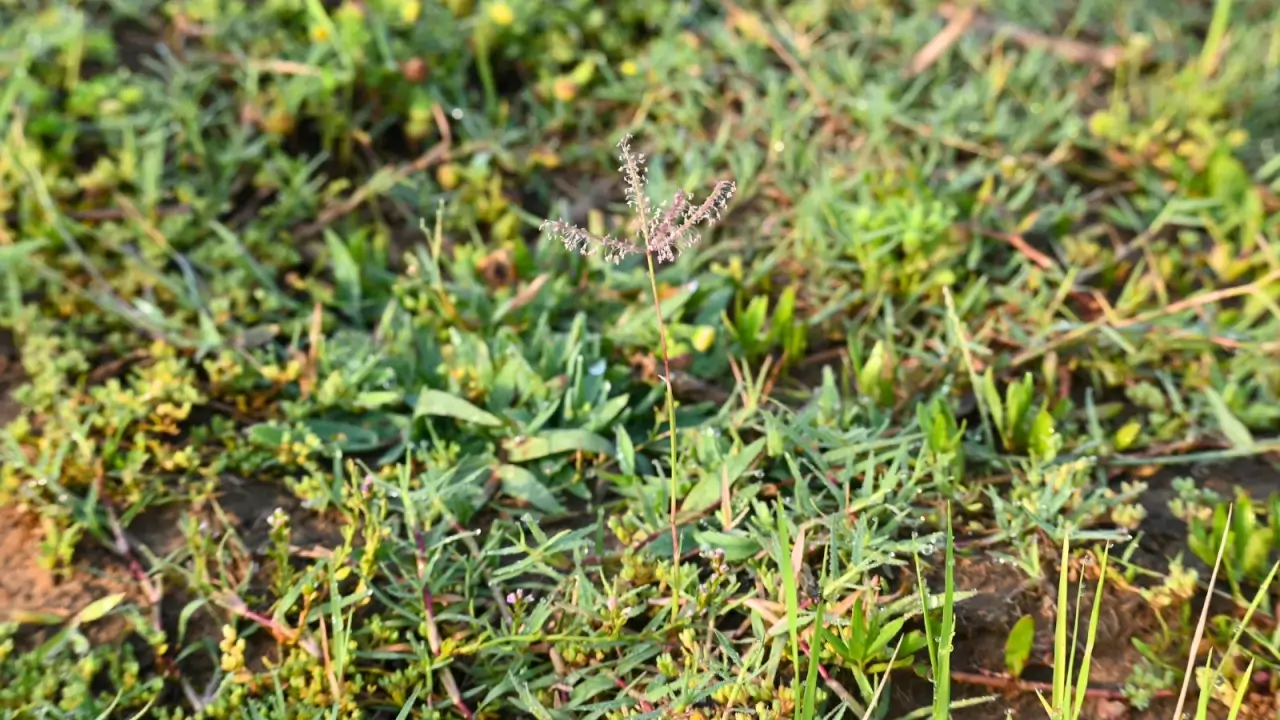
Perennial, rhizomatous weeds like bindweed, bermudagrass, johnsongrass, and Canadian thistle are some of the most difficult to control. After you pull the above-ground portion of the plant, the rhizome resprouts and produces more weeds. Tilling chops these rhizomes into tiny pieces and spreads the problematic plants, so reducing tillage puts you a step ahead in terms of weed control.
Pulling as much of the rhizome as possible is a good place to start, but you’re unlikely to remove all of the plant’s deep-rooted rhizome. Covering the ground with an opaque material like a silage tarp smothers the weeds and depletes their access to the sun. Over time, they’ll exhaust their stored energy and die, but this process can take up to a year.
If you know a growing area has high perennial weed pressure, tarping the area for a season before planting can be worthwhile. Although the space will be out of production for an extended period, you won’t have to deal with as many of these challenging weeds.
Annual Weeds
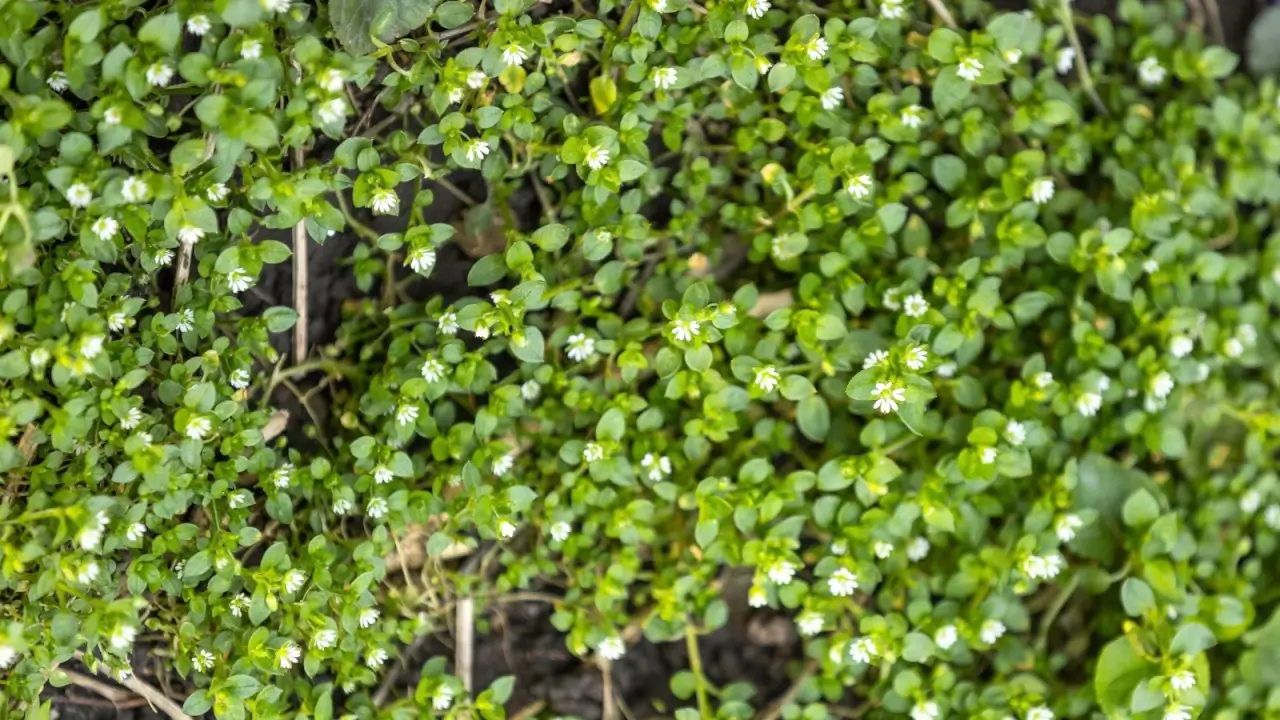
Many common weeds are fast-growing annuals that germinate, grow, and set seed in just a month or two. That means just a single plant that blows in with the wind can quickly turn into thousands of weeds. Removing these plants before they produce seed is a key part of keeping them under control.
One way to beat weeds in a no-till landscape involves limiting the number of weed seeds that are able to germinate. Since you won’t be bringing up weeds that are lying dormant below the soil surface, only weeds in the top inch of soil can germinate. Killing this layer of plants and eliminating tillage means only weed seeds that arrive from outside your field will germinate.
The exact definition of no-till varies depending on who you talk to, but mechanical cultivation is often used to help kill weeds without severely disturbing the soil. A scuffle hoe or wheel hoe works well on a small scale, while basketweeds and fingerweeds are more suitable for larger farms. Killing weeds while they’re small will limit the need for tools that create more soil disturbance.
Implement Cover Crops
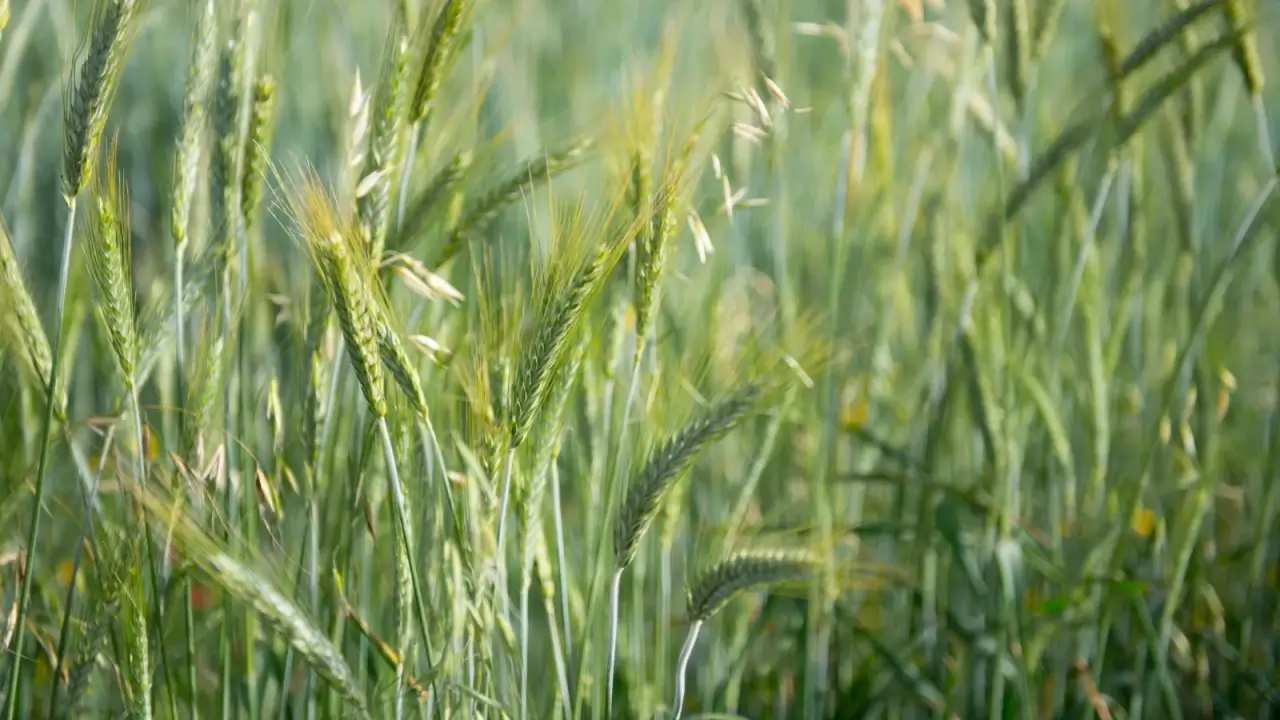
Fighting plants with plants? You got that right. Introducing cover crops into your no-till system can help limit weeds in your cash crop.
Fast-growing and dense grasses like rye, wheat, and oats are great for shading out and suppressing weeds. Rye is an especially great choice due to its allelopathic nature. The plants produce chemicals that harm other plants when the rye is growing, and when the residue is on the ground.
Mulch the Soil
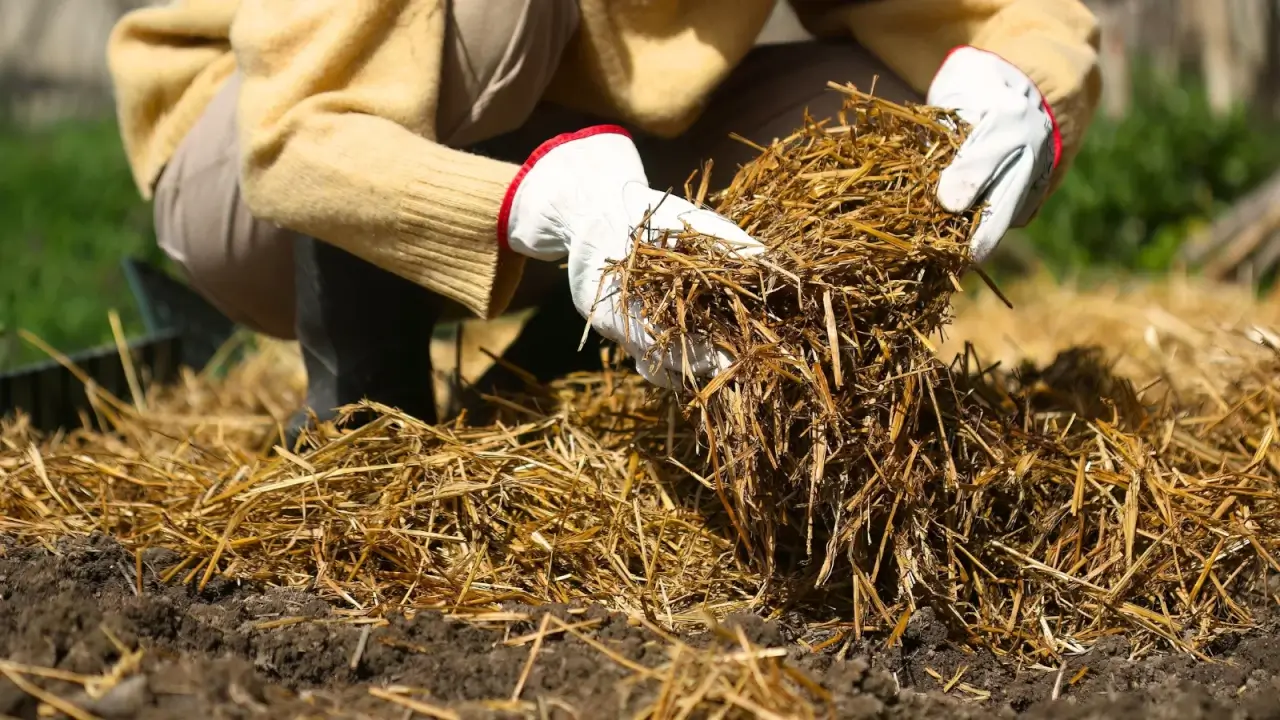
Adding organic material to otherwise bare soil helps prevent weed seeds from germinating and limits the growth of weed seedlings. If you’re working on a smaller scale, you can mulch pathways and areas between plants with straw, wood chips, or other types of organic material.
Growing cover crops and utilizing the residue as mulch is effective at larger scales. Timing is extremely important when it comes to terminating cover crops; most crops are easily killed just after the anthesis stage, after the flower is fully open, but before seeds have fully developed.
Rolling and crimping crops is a popular option to keep the mulching material intact. You can also mow the crop, but this will break the material down into smaller pieces and lead to faster decay.
What’s in a Weed? Unlocking the Genetic Code of Pests
Plant scientists get genomic about weed management.

